The Evolution of USB Charging: From Standardization to Universal Adoption
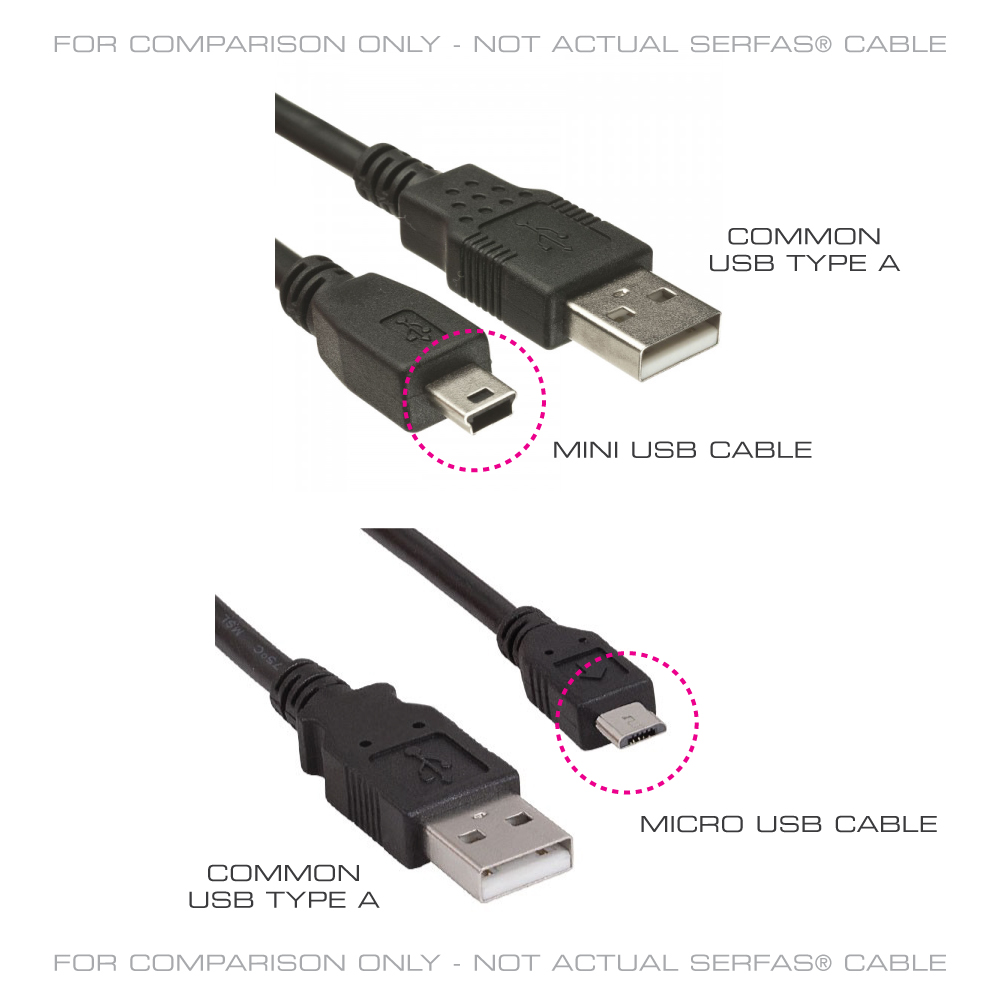
The journey of USB charging has been marked by significant milestones that reflect the rapid pace of technological innovation. From its inception in the late 1990s, USB (Universal Serial Bus) protocol aimed to standardize the connection between devices, allowing for easy data transfer and power supply. Early versions, such as USB 1.0, could provide a mere 2.5 watts of power, which sufficed for basic devices like keyboards and mice. However, as the world demanded more power-hungry gadgets like smartphones and tablets, evolutions in USB technology gave rise to faster and more efficient charging standards, including USB 2.0 and USB 3.0, significantly increasing the power output and data transfer rates.
As we moved into the era of USB-C, the focus shifted not only to enhanced performance but also to universal adoption. Unified cables and connectors enable users to charge a plethora of devices — from laptops to cameras — without the clutter of multiple cables. The introduction of the USB Power Delivery (PD) standard further revolutionized charging by allowing devices to communicate and negotiate power requirements. Today, the widespread acceptance of USB-C and PD has transformed the charging landscape, making it easier for consumers to stay powered up and connect their devices seamlessly, ultimately leading to a future where USB charging is the standard for all electronic devices.
Counter-Strike is a highly competitive tactical first-person shooter that has captivated gamers since its launch. In this game, teams of terrorists and counter-terrorists battle against each other to complete objectives such as bomb planting or hostage rescue. For gamers on the go, finding the right gear is essential, and you might want to check out the Top 10 Compact Travel Chargers to ensure your devices stay powered during intense gaming sessions.
How USB Chargers are Revolutionizing Our Daily Tech Usage
The advent of USB chargers has significantly transformed the way we interact with technology in our daily lives. Gone are the days of juggling multiple chargers for different devices; the universal design of USB chargers allows for seamless connectivity across a myriad of gadgets, from smartphones to laptops. This standardization not only enhances convenience but also paves the way for portability, as users can carry a single charger to power multiple devices. As technology evolves, the versatility of USB chargers continues to play a pivotal role, fostering a more integrated tech ecosystem.
Moreover, the efficiency and speed of USB chargers have set new benchmarks in tech usage. With the introduction of fast-charging capabilities, users can now enjoy quick power-ups, ensuring that they stay connected without long downtimes. This has been particularly beneficial for professionals and students who rely heavily on their devices for productivity and communication. As a result, enhancing battery life and reducing the clutter of cords, USB chargers are not just a convenience; they are a critical component of modern technology that continues to innovate and improve our daily routines.
Are USB Chargers the Key to a More Sustainable Future in Technology?
As the world increasingly turns its focus toward sustainability, the role of technology in reducing our carbon footprint comes to the forefront. USB chargers have emerged as a potential game-changer in this arena. By standardizing the way we charge devices, USB chargers help minimize electronic waste, as they reduce the need for multiple charging cables and adapters. This single-solution approach not only streamlines our technology ecosystem but also promotes energy efficiency, ultimately leading us toward a more sustainable future.
Moreover, the widespread adoption of USB charging technology across various devices—from smartphones and tablets to electric vehicles—further strengthens its impact on environmental conservation. By choosing devices that utilize USB-C or similar universal charging standards, consumers can actively participate in reducing the demand for excessive manufacturing that often contributes to pollution. In this way, USB chargers are not merely a convenience; they are pivotal in paving the way for a greener, more sustainable technological landscape.