Balancing Act: Navigating the Fine Line Between Comfort and Chaos
In today's fast-paced world, individuals often find themselves caught in a balancing act between comfort and chaos. On one hand, we seek the warmth of familiarity, where routines and habits provide a sense of security. On the other hand, life can be unpredictable, thrusting us into chaotic situations that challenge our composure and adaptability. Acknowledging this dynamic can help us navigate our daily lives more effectively. It is essential to recognize that both comfort and chaos play significant roles in our personal growth. Embracing discomfort, for instance, can lead to transformative experiences that propel us toward our goals.
Navigating this fine line requires a mindful approach. Here are some strategies to maintain equilibrium:
- Set Boundaries: Clearly define what comfort means to you, and establish limits to protect your peace.
- Embrace Change: Allow yourself to step out of your comfort zone periodically, as this fosters resilience and adaptability.
- Practice Mindfulness: Regular mindfulness practices can help ground you amidst chaos and bring clarity to your thoughts.
Ultimately, the journey of finding balance is continuous, and it’s normal for challenges to arise. By acknowledging this balancing act, we can cultivate a life that honors both the need for comfort and the occasional embrace of chaos.
Counter-Strike is a popular first-person shooter game that has captivated gamers since its early days in the late 1990s. It is known for its team-based gameplay, where players compete to complete objectives or eliminate the opposing team. With a thriving esports scene and a dedicated community, Counter-Strike remains a staple in competitive gaming. For those looking for the best gear to enhance their gameplay, check out the Top 10 apple vision pro travel accessories.
The Rise of Convenience Culture: How We Find Comfort in Chaos
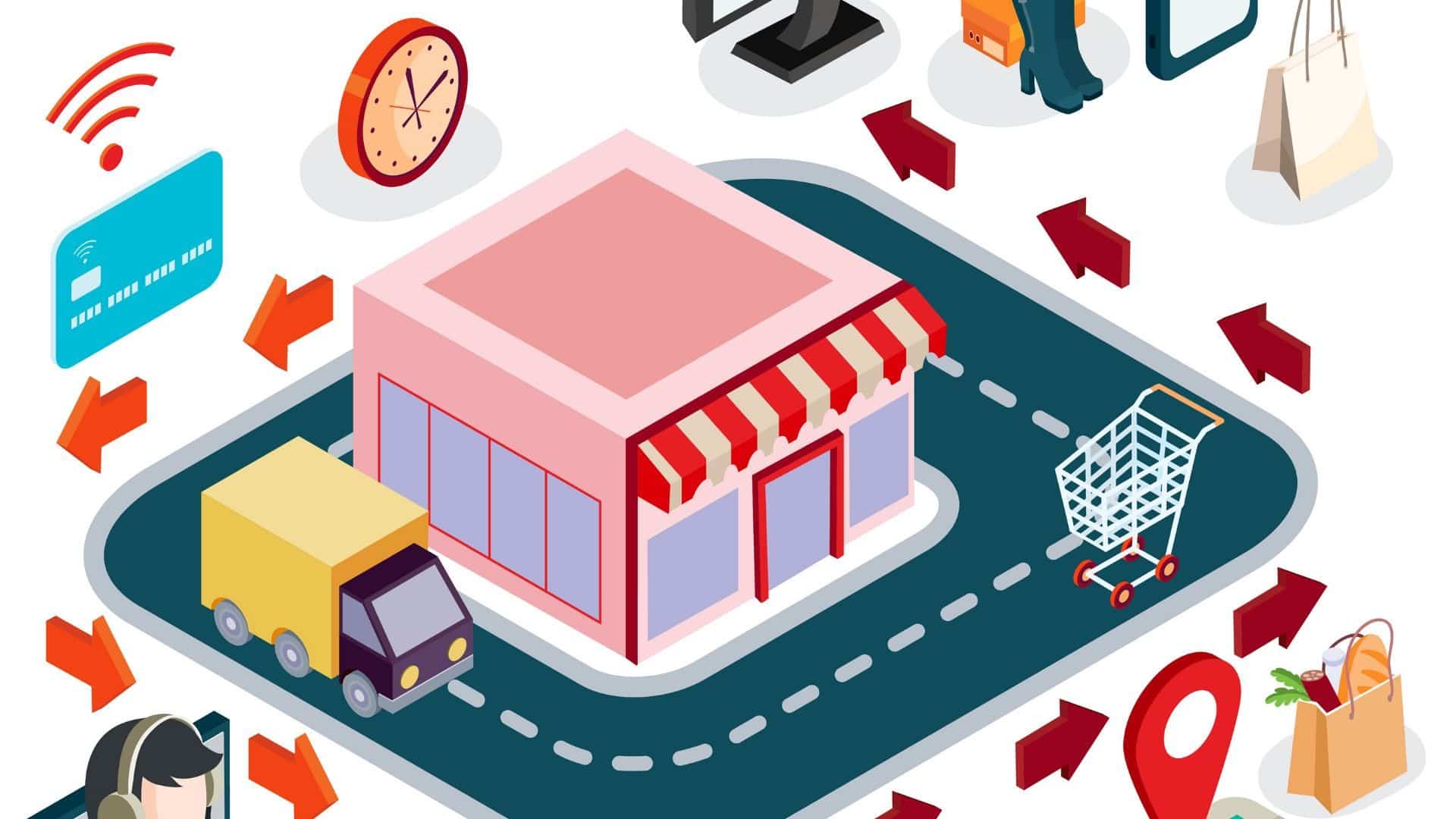
In an age where convenience culture dominates, we find ourselves increasingly reliant on instant solutions to navigate the complexities of everyday life. As our schedules become packed and the pace of modern living accelerates, we turn to technologies and services that promise swift resolutions to our problems. This phenomenon not only reflects our need for efficiency but also reveals an underlying desire for comfort amidst chaos. From food delivery apps to smart home devices, we are redefining our relationship with time and effort, seeking ways to make daily tasks less burdensome. For many, this shift may signify a new era of productivity, but it also raises questions about dependency on convenience and its impact on our well-being.
Moreover, the allure of convenience culture extends beyond technology; it permeates our personal interactions and lifestyle choices as well. Many consumers today prioritize experiences that require minimal effort, leading to the rise of pre-packaged goods and streamlined services. In this landscape, we often lean into what is easily accessible, sometimes at the cost of deeper, more meaningful connections and experiences. As we instinctively retreat to these comforts, we must examine how this growing preference for convenience shapes our behavior and influences our values. Ultimately, while convenience can provide a necessary reprieve from the chaos of life, we are left to ponder whether it truly brings lasting satisfaction or merely offers a fleeting escape.
Is Convenience Making Our Lives Easier or Just More Chaotic?
In today’s fast-paced world, the rise of convenience through technology and services has undoubtedly transformed our daily lives. From online shopping and food delivery apps to smart home devices, convenience has made tasks that once required significant time and effort remarkably simpler. For instance, consider how convenience has redefined shopping; consumers can now browse products from the comfort of their homes and have them delivered right to their doorstep. This shift not only saves time but also offers greater variety and accessibility, particularly for those who may have mobility constraints. However, as we embrace these technologies, it's essential to question if this newfound ease is contributing to a more chaotic existence.
While the argument for convenience suggests a more streamlined lifestyle, it also raises concerns about over-reliance on technology and the potential for increased anxiety. The constant barrage of notifications, emails, and the pressure to stay connected through social media can lead to sensory overload. Additionally, the convenience of instant gratification can weaken our patience and create a culture of distraction, where important tasks are frequently set aside. As we weigh the benefits of convenience against its drawbacks, finding a balance that allows us to enjoy technological advancements while preserving our mental well-being is crucial.