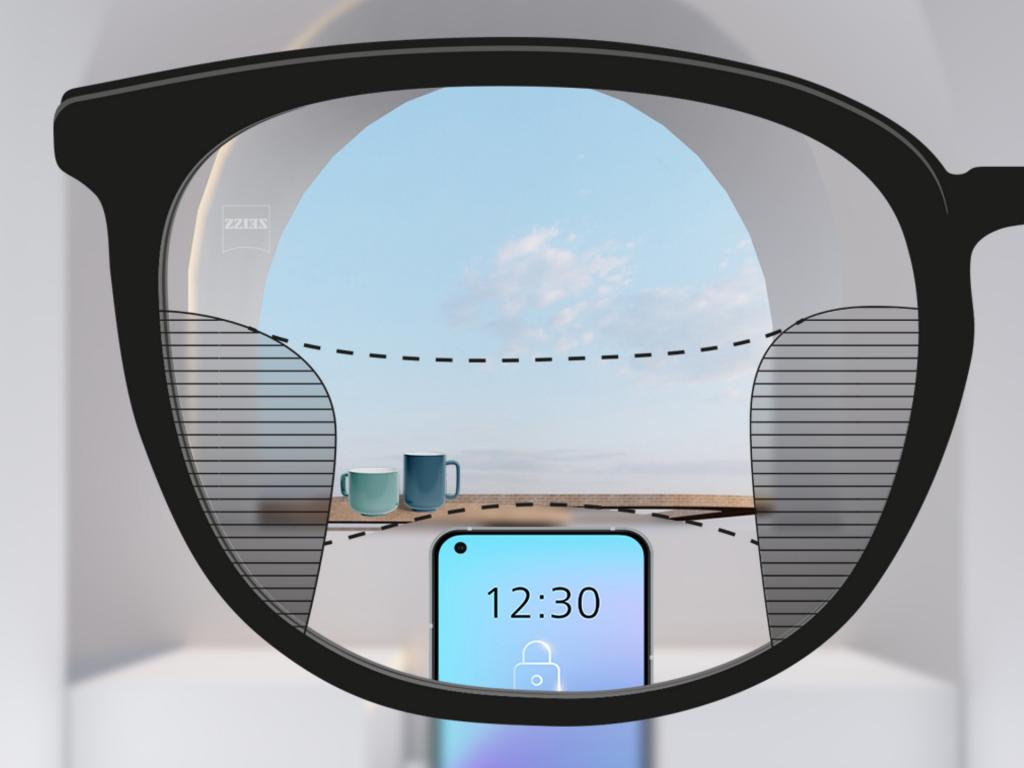
Exploring the World Through Different Lenses: A Guide to Shifting Perspectives
Exploring the world through different lenses can significantly enhance our understanding of diverse cultures, ideas, and experiences. Shifting perspectives allows us to challenge our biases and develop a more nuanced view of the world around us. For instance, engaging with literature from various cultures or participating in community events can open doors to new ways of thinking. By embracing different viewpoints, we not only enrich our own lives but also contribute to a more inclusive society.
One effective method for exploring different lenses is to actively seek out diverse conversations. This can be achieved by joining discussion groups, attending workshops, or even seeking out online platforms dedicated to sharing unique perspectives. Here are a few specific steps to consider:
- Join local cultural clubs or associations.
- Attend webinars or lectures featuring guest speakers from various backgrounds.
- Engage in volunteer work that exposes you to different communities.
By implementing these strategies, you’ll be well on your way to expanding your horizons and truly exploring the world through multifaceted lenses.
Counter-Strike is a popular tactical first-person shooter game that has been a staple in competitive gaming since its release. Players form teams of terrorists or counter-terrorists and work together to complete objectives. For those interested in enhancing their gameplay experience, upgrading tools like photography gear can be helpful. Check out the Top 10 iphone camera lenses to capture your favorite gaming moments. The game requires teamwork, strategy, and quick reflexes to succeed against formidable opponents.
How Lenses Influence Our Perception: Understanding the Power of Perspective
Our perception of the world is often shaped by the various lenses through which we view it. These lenses can be literal, such as glasses or camera filters, or metaphorical, like cultural upbringing or personal experiences. Each lens alters how we interpret visual information, influencing our understanding and reactions to different situations. For instance, a photographer might use a wide-angle lens to capture a sweeping landscape, thereby presenting a view that emphasizes the vastness of the scene. In contrast, a macro lens zooms in on fine details, showcasing the intricacies that often go unnoticed. Both perspectives are valid but offer differing insights into what we see.
Furthermore, the concept of lenses extends beyond visual perception and into the realm of cognitive frameworks. Our beliefs, biases, and values serve as lenses that filter our interpretations of events and interactions. For example, someone who has a strong belief in environmental conservation may perceive industrial development as a negative force, while another individual might view it as a necessary means for economic growth. This subjective experience underlines the power of perspective and the importance of understanding how differing lenses can lead to diverse interpretations and conclusions. By recognizing our own filters, we can foster a more nuanced dialogue about the world around us.
What Are the Different Types of Lenses and How Do They Shape Our Lives?
Lenses play a crucial role not only in optics but also in our everyday lives. There are several types of lenses that serve various purposes, each shaping our experience of the world around us. The most common types include:
- Convex Lenses - These lenses are thicker in the center and are used to magnify images. They find their application in magnifying glasses and camera lenses.
- Concave Lenses - Thinner in the center, concave lenses diverge light rays, making them essential in items like glasses for nearsightedness.
- Fresnel Lenses - Known for their lightweight and thin design, they are widely used in lighthouses and projector systems to concentrate light.
The impact of these lenses extends beyond visual clarity; they influence technology, art, and even our perspectives in daily life. For example, photography relies heavily on specific lens types to evoke emotion and tell stories. Furthermore, the education sector employs various lenses to enhance learning tools, making complex concepts more accessible. As we continue to innovate, understanding the different types of lenses and their applications will help us appreciate their role in shaping not just our vision, but our very experiences and interactions with the world.