5 Key Reasons Privacy Matters More Than Ever
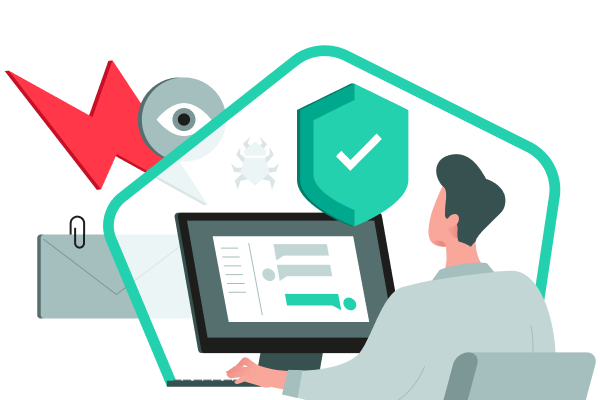
In an increasingly digital world, privacy is not merely a personal concern; it has become a fundamental aspect of our lives. One of the primary reasons why privacy matters more than ever is the rise of data breaches. Every day, we hear stories about major companies falling victim to cyberattacks, leading to the exposure of sensitive user information. According to recent studies, over 60% of consumers feel vulnerable about their personal data, highlighting the urgent need for robust privacy protections.
Moreover, the prevalence of surveillance technologies, both online and offline, has blurred the lines of personal privacy. Governments and corporations are monitoring our behaviors, often without our consent. This intrusion can lead to a sense of powerlessness and fear among individuals. As we navigate through platforms that track our every move, it becomes crucial to advocate for stronger privacy rights and data protection laws. The more we understand the significance of privacy, the better equipped we are to safeguard our ideals of freedom and autonomy.
Counter-Strike is a highly popular multiplayer first-person shooter game that pits teams against each other in various objective-based gameplay modes. The game emphasizes teamwork, strategy, and skill, making it a favorite among competitive gamers. If you're looking to enhance your coding experience, check out the Top 10 Accessories for Coding with MacBook to optimize your setup for maximum productivity.
How to Protect Your Privacy in an Increasingly Digital World
In today's digital landscape, protecting your privacy has become more critical than ever. With the increasing frequency of data breaches and cyberattacks, it's essential to take proactive measures to safeguard your personal information. Start by reviewing your privacy settings on social media platforms and limiting the amount of information you share publicly. Utilizing strong passwords and enabling two-factor authentication can add extra layers of security to your accounts. Additionally, consider using a virtual private network (VPN) to encrypt your internet connection and protect your data from potential eavesdroppers.
Another effective way to protect your privacy is by being mindful of the apps and services you use. Always read the privacy policies before downloading or signing up for new services, and look for applications that prioritize user privacy. Regularly update your software and devices to ensure you have the latest security patches. Lastly, educate yourself about phishing scams and how to recognize them, as this knowledge is vital in keeping your personal information safe from online threats.
Is Your Data Safe? Top Privacy Questions Answered
In today's digital age, the question of data privacy is more critical than ever. With countless instances of data breaches and leaks making headlines, individuals are rightfully concerned about whether their sensitive information is truly safe. To address these concerns, it’s essential to understand what factors contribute to data security. According to a recent study, over 60% of adults are worried about how their personal data is being stored and used. This anxiety leads to the first important question: What measures are in place to protect my data?
Another common question on the minds of consumers is, Who has access to my information? Typically, data can be accessed by a variety of parties, including service providers, third-party advertisers, and cybersecurity teams monitoring for threats. It’s crucial to review privacy policies and terms of service to understand how data is collected and shared. Furthermore, employing best practices such as enabling two-factor authentication and regularly updating passwords can significantly enhance your data protection. In summary, asking questions about data safety not only empowers you as a consumer but also fosters a culture of transparency and accountability among businesses.