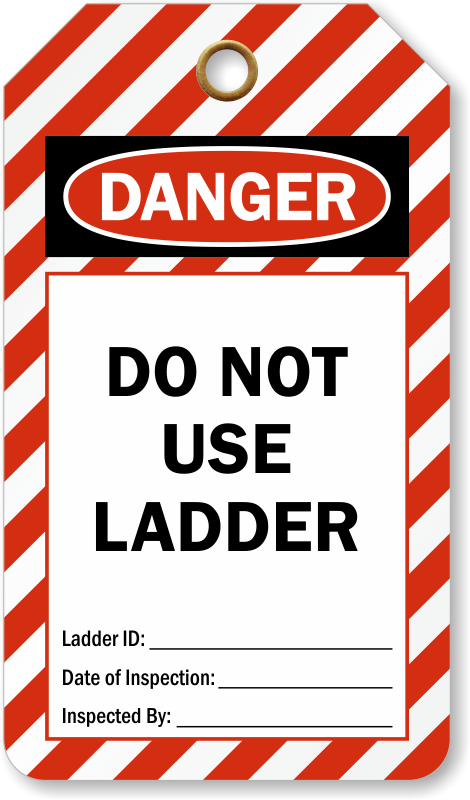
Understanding the Importance of Safety Tags in Workplace Security
Understanding the importance of safety tags in workplace security cannot be overstated. These tags serve as crucial indicators that help ensure the safety of employees across various environments. By providing vital information about equipment status, hazardous areas, and necessary precautions, safety tags play a key role in preventing accidents and injuries. For example, tags that indicate machinery is out of service or requires maintenance can significantly reduce the risk of unsafe operation. In addition, safety tags are often color-coded and standardized, making it easier for workers to quickly identify potential hazards and take appropriate action.
Moreover, safety tags contribute to overall workplace security by fostering a culture of awareness and responsibility among employees. When everyone is informed about the risks and safety measures in their environment, it promotes proactive behavior that leads to fewer incidents. Implementing a system of safety tags also helps organizations comply with regulatory requirements and industry standards, thereby mitigating legal risks. Ultimately, integrating safety tags into the daily operations not only enhances employee well-being but also improves productivity by minimizing downtime due to accidents.
Counter-Strike is a highly popular multiplayer first-person shooter game that has captivated players since its initial release in 1999. The game emphasizes teamwork and strategy, where players can develop their skills through competitive matches. Beyond that, players often look for enhancements for their fitness activities as well, such as the Top 10 Apple Watch Accessories for Runners to help track their performance. This combination of gaming and physical activity highlights the diverse interests of modern gamers.
How Safety Tags Contribute to a Safer Work Environment
Safety tags play a crucial role in promoting a safer work environment by providing clear and immediate information regarding potential hazards. These tags, often visually distinctive and easily recognizable, serve as essential tools for communicating risks and ensuring compliance with safety protocols. By utilizing different colors, shapes, and symbols, safety tags can indicate whether equipment is operational or out of service, thereby helping to prevent accidents and injuries. For instance, red tags typically signify danger, while yellow tags might indicate caution. Implementing a systematic approach to tagging can greatly enhance visibility and awareness among workers, ultimately supporting a culture of safety.
Moreover, safety tags are not just about risk identification; they also promote accountability and responsibility among employees. When workers see safety tags in their environment, they are reminded of the importance of adhering to safety measures and protocols. Regular training sessions that incorporate the significance of these tags ensure that all team members understand their meanings and applications. Additionally, having a consistent tagging system across the workplace fosters a sense of routine and vigilance, as employees become accustomed to checking and responding to these critical notifications. In essence, safety tags are an indispensable component of an overall safety management system, contributing significantly to creating a safer workplace for everyone.
What You Need to Know About Choosing the Right Safety Tags for Your Facility
Choosing the right safety tags for your facility is crucial to ensuring the safety of your employees and compliance with regulations. These tags serve as visual reminders and instructions regarding potential hazards, equipment status, and essential safety precautions. When selecting safety tags, consider factors such as visibility, durability, and clarity. Tags should be made from materials that can withstand the environmental conditions of your facility, such as moisture, heat, and chemicals. Additionally, they should have clear, easy-to-read font and symbols to effectively communicate the necessary information.
When evaluating options for safety tags, it's essential to employ a systematic approach. Here are some key points to keep in mind:
- Regulatory Compliance: Ensure that the tags meet local and national safety standards.
- Customization: Consider whether customizable tags are needed for specific protocols in your facility.
- Color Coding: Utilize color-coded tags to enhance visibility and immediate recognition of hazards.
By taking these elements into account, you can make informed decisions that will enhance workplace safety and reduce the likelihood of accidents.