Top 10 Typing Techniques to Enhance Your Speed and Accuracy
Improving your typing speed and accuracy can significantly boost your productivity, whether you're a student, a professional, or someone who enjoys writing for leisure. Here are the top 10 typing techniques to help you master the keyboard and enhance your skills:
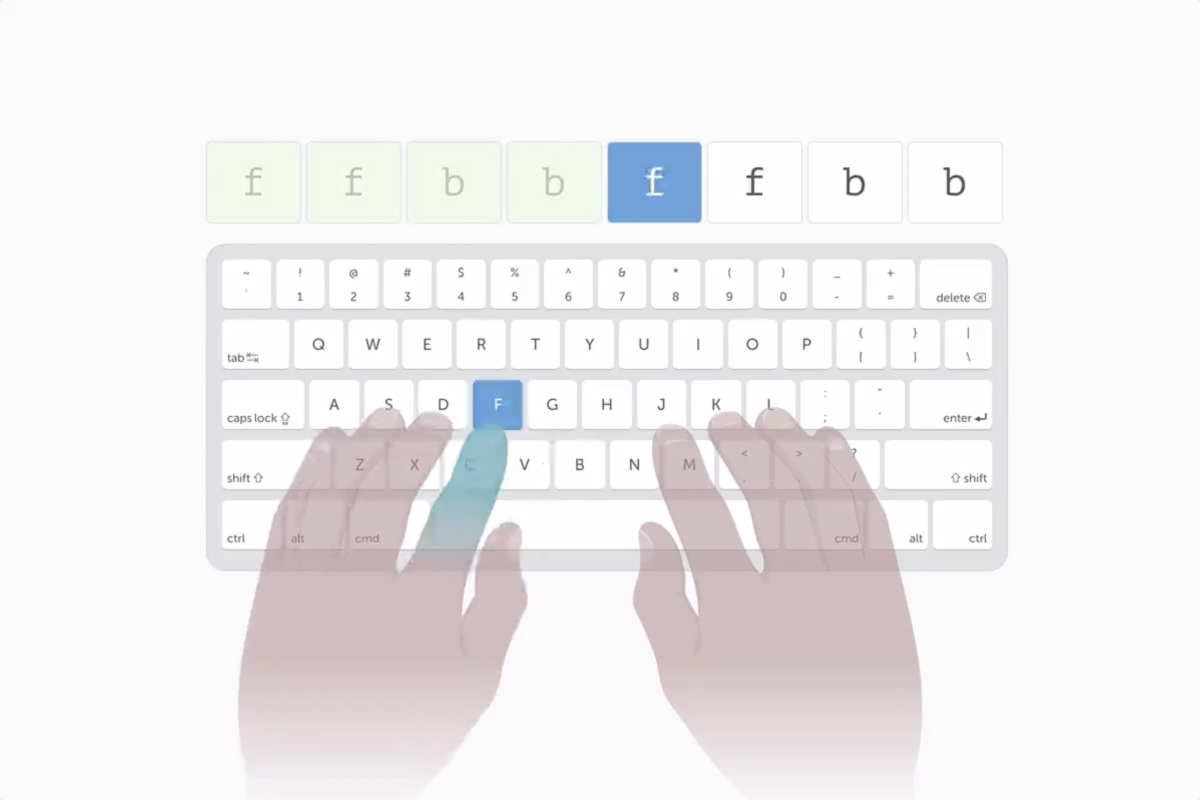
- Proper Hand Placement: Start with your fingers on the home row keys (A, S, D, F, J, K, L, ;). This positioning will help you access all keys without looking down.
- Practice Regularly: Consistency is key. Spend a few minutes every day on typing practice to build muscle memory.
- Use All Fingers: Learn to type with all ten fingers. This technique allows for faster typing as you engage more fingers simultaneously.
- Touch Typing: Avoid looking at the keyboard while typing. Touch typing involves memorizing the keyboard layout, which can increase your speed significantly.
- Typing Software and Games: Utilize online typing tutors and games. These tools make learning fun and engaging while tracking your progress.
Continuing with the remaining typing techniques, consider the following:
- Maintain a Steady Rhythm: Typing at a constant pace helps in improving both speed and accuracy, making your work more efficient.
- Breaks are Important: Take short breaks to avoid fatigue. Prolonged typing can lead to errors and decreased speed.
- Use Keyboard Shortcuts: Familiarize yourself with essential shortcuts. This can save time and reduce the number of keystrokes needed!
- Correct Posture: Maintain good posture by sitting up straight and keeping your feet flat on the floor, allowing for better control and comfort.
- Set Achievable Goals: Regularly set specific goals for your typing speed and accuracy, and measure your performance to stay motivated.
Counter-Strike is a popular tactical first-person shooter video game series that has captivated players around the world with its intense gameplay and strategic team-based combat. Players can choose between two teams, terrorists and counter-terrorists, and engage in various objectives ranging from bomb defusal to hostage rescue. For those looking to enhance their gaming experience, consider checking out the Top 10 Bluetooth Tablet Keyboards to find the perfect accessories for mobile gaming.
Is Touch Typing Still Relevant in the Digital Age?
In an era where screens dominate our daily interactions, one might question whether touch typing retains its significance. However, the ability to type quickly and accurately without looking at the keyboard remains a vital skill for many professionals and students alike. As digital communication continues to flourish, proficiency in touch typing can greatly enhance one's productivity. In fact, studies have shown that individuals who master this skill can save significant time on tasks ranging from writing reports to coding, thereby allowing them to focus on more critical aspects of their work.
Moreover, in a world that increasingly relies on rapid information processing and remote collaboration, touch typing not only facilitates faster communication but also helps reduce physical strain associated with inefficient typing habits. When combined with modern technologies such as voice recognition software and chat applications, touch typing enhances the overall efficiency of digital interactions. Thus, the answer to the question of relevance is a resounding 'yes'; touch typing is not just relevant but essential for anyone looking to thrive in today’s fast-paced digital landscape.
How to Create the Perfect Ergonomic Setup for Efficient Typing
Creating the perfect ergonomic setup for efficient typing is essential to enhance productivity and reduce the risk of repetitive strain injuries. Start by positioning your keyboard and mouse at an appropriate height, allowing your elbows to remain close to your body and form a 90-degree angle. To achieve this, consider using an ergonomic keyboard and an adjustable chair that supports your lower back. Additionally, your computer monitor should be at eye level to minimize neck strain; a monitor stand can help achieve this height.
Another crucial aspect of an ergonomic workstation is maintaining proper posture. When typing, ensure your wrists are in a neutral position, using a wrist rest if necessary to avoid bending your wrists upwards. It’s also important to take regular breaks, every 30 to 60 minutes, to stretch and relieve tension. Tools like a standing desk can further enhance your ergonomic setup, allowing you to alternate between sitting and standing while working. Incorporating these elements will create a comfortable, efficient typing environment that promotes good health and productivity.