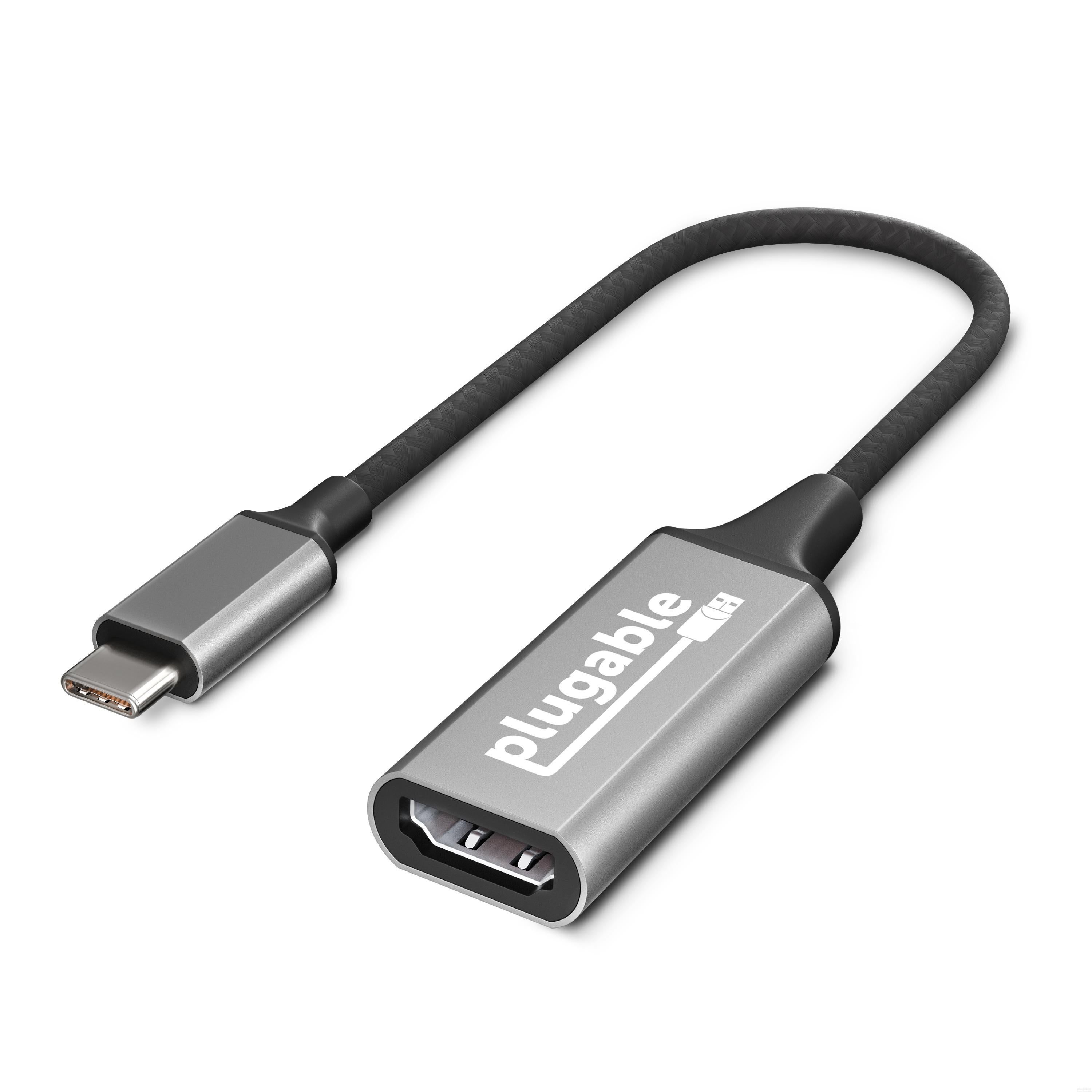
The Rise of USB-C: Why It’s Time for Every Device to Make the Switch
The transition to USB-C is not just a trend; it is becoming a crucial standard for modern connectivity. With its reversible design and universal compatibility, USB-C is simplifying the way we charge and connect our devices. Among its many advantages, the ability to deliver up to 100 watts of power and support high-speed data transfer rates of up to 40 Gbps are leading to its widespread adoption across various electronic gadgetry, including smartphones, laptops, and tablets. As manufacturers progressively integrate USB-C ports into their devices, it's clear that a universal standard is necessary to eliminate the clutter of incompatible chargers and cables, ultimately promoting efficiency and convenience.
Moreover, the environmental impact of switching to USB-C cannot be overlooked. The elimination of numerous chargers and cables reduces electronic waste, aligning with global efforts towards sustainability. As businesses and consumers increasingly prioritize eco-friendly choices, adopting USB-C as a universal standard provides a practical solution. From a cost perspective, businesses benefit from USB-C's economies of scale, leading to lower production costs and ultimately savings for consumers. It’s time for every device to make the switch to USB-C and embrace a unified future in technology.
Counter-Strike is a highly popular tactical first-person shooter video game franchise that has captivated millions of players around the world. The game pits teams of terrorists against counter-terrorists, aiming to complete objectives or eliminate the opposing team. For gamers looking to enhance their gaming experience, investing in the Top 10 macbook docks can significantly improve connectivity and performance during demanding gameplay.
USB-C Compatibility: A Comprehensive Guide to the Most Versatile Connector
The USB-C connector has revolutionized the way we connect and power our devices, making it an essential component in modern technology. Unlike its predecessors, this versatile connector features a reversible design, allowing users to plug it in either way, which eliminates the frustration often associated with other USB types. USB-C compatibility extends across a wide range of devices, including smartphones, laptops, tablets, and peripherals, creating a seamless ecosystem where charging and data transfer become incredibly efficient. To fully take advantage of this technology, it is crucial to understand the different specifications and functionalities that the USB-C connector offers.
In terms of performance, USB-C supports various protocols through the use of alternate modes, allowing it to connect to different types of connectors such as HDMI, DisplayPort, and even Thunderbolt 3. This capability enhances its functionality beyond just power delivery and data transfer, making it suitable for high-definition video output and faster data speeds. Additionally, the compatibility of USB-C with power delivery (PD) technology enables devices to negotiate power levels, ensuring that your devices charge quickly and efficiently. To help you navigate the complex world of USB-C compatibility, here are some key points to consider:
- Check your device specifications for USB-C support.
- Invest in quality cables and adapters that meet the necessary standards.
- Stay informed about updates and changes in technology to ensure ongoing compatibility.
Is USB-C the Future? Exploring Its Benefits and Potential Pitfalls
As technology continues to evolve, USB-C has emerged as a prominent connector type, boasting numerous advantages that could cement its status as the future of connectivity. One of its key benefits is the ability to transfer data at high speeds, with some versions capable of reaching up to 40 Gbps. Additionally, USB-C supports a wide array of devices, including smartphones, laptops, and peripherals, making it a more versatile option than its predecessors. This all-in-one functionality not only simplifies cabling needs but also promotes streamlined device designs and reduces electronic waste.
However, the transition to USB-C is not without its challenges. As more devices adopt this standard, consumers may encounter compatibility issues with older accessories and peripherals, potentially leading to increased costs. Furthermore, the differing implementations of USB-C technology, such as variations in power delivery and data transfer rates, can create confusion. Therefore, while USB-C offers exciting possibilities for the future, it is essential for users to remain informed about its potential pitfalls in order to maximize its benefits and ensure a seamless technological transition.