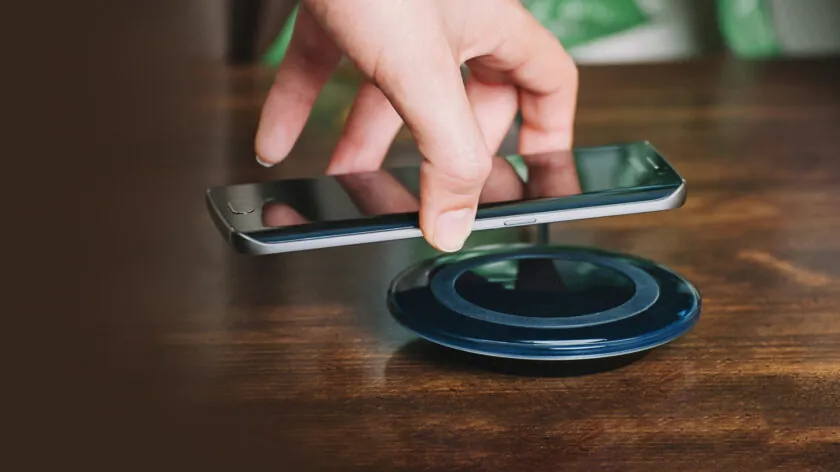
How Does Wireless Charging Work? An In-Depth Look
Wireless charging is a method of powering electronic devices without the need for physical connectors. It utilizes electromagnetic fields to transfer energy between two objects, typically a charging pad and a compatible device. The core technology behind wireless charging is known as inductive charging, which involves two coils: a transmitter coil in the charging station and a receiver coil in the device. When electricity flows through the transmitter coil, it generates an alternating electromagnetic field. This field induces a current in the receiver coil, which then converts this energy back into usable electricity to power the device's battery.
There are a few key components that make wireless charging efficient and effective:
- Coil Alignment: Proper alignment between the transmitter and receiver coils is crucial for efficient energy transfer.
- Efficiency: The technology varies in efficiency; higher-quality chargers can transfer energy with fewer losses, maximizing charging speed.
- Compatibility: Wireless charging standards, such as Qi, ensure that a wide range of devices can recharge seamlessly without requiring specific connectors.
As the technology continues to evolve, expectations for faster charging speeds and broader compatibility grow, making wireless charging an increasingly popular choice for modern electronics.
Counter-Strike is a highly popular multiplayer first-person shooter game that emphasizes team-based gameplay and strategy. Players can choose to be part of either the terrorist or counter-terrorist teams, each with their own objectives. In addition to gaming, players often appreciate accessories like the Top 10 Thin Silicone Cases for AirPods, which combine style and functionality.
The Pros and Cons of Wireless Charging: Is It Worth It?
Wireless charging has gained popularity in recent years, offering a convenient way to power up your devices without the hassle of tangled cables. One of the main advantages is its ease of use; simply place your smartphone or wearable device on a charging pad and watch it power up. Furthermore, wireless chargers often come equipped with features like fast charging and compatibility with multiple devices, making them a versatile addition to your tech collection. Additionally, the elimination of physical connectors can reduce wear and tear on your devices, potentially leading to a longer lifespan.
However, there are also some drawbacks to consider. For one, wired charging is generally faster than its wireless counterpart, which may be a crucial factor for those in a hurry. Moreover, wireless charging pads can be less efficient, resulting in energy loss in the form of heat, which could impact your electricity bill over time. Lastly, the price of high-quality wireless chargers can be higher than traditional ones, leading some consumers to question whether it is worth it in the long run. Ultimately, your decision may hinge on your personal preferences and lifestyle needs.
Is Wireless Charging the Future of Technology or Just a Passing Trend?
As technology continues to evolve, wireless charging has emerged as a significant innovation, promising convenience and efficiency for users. With the increasing number of devices equipped with Qi-compatible technology, such as smartphones, smartwatches, and even some laptops, it raises the question: is wireless charging the future of technology or merely a passing trend? Proponents argue that this method eliminates the hassle of tangled cords and can encourage more eco-friendly practices by reducing the need for disposable chargers. Additionally, the integration of wireless charging in public spaces, like cafes and airports, highlights its growing acceptance among consumers.
However, despite its advantages, there are several challenges that wireless charging must overcome to solidify its position in the tech landscape. One significant concern is the slower charging speeds compared to traditional wired methods, which might deter users seeking efficiency. Moreover, compatibility issues among different manufacturers can pose hurdles to widespread adoption. As technology advances, these challenges may be addressed, paving the way for a more robust wireless charging ecosystem. Ultimately, whether it becomes the new standard or fades into obscurity will depend on ongoing innovations and consumer demand.