Exploring the Top T-Shirt Printing Methods: Which One is Right for Your Design?
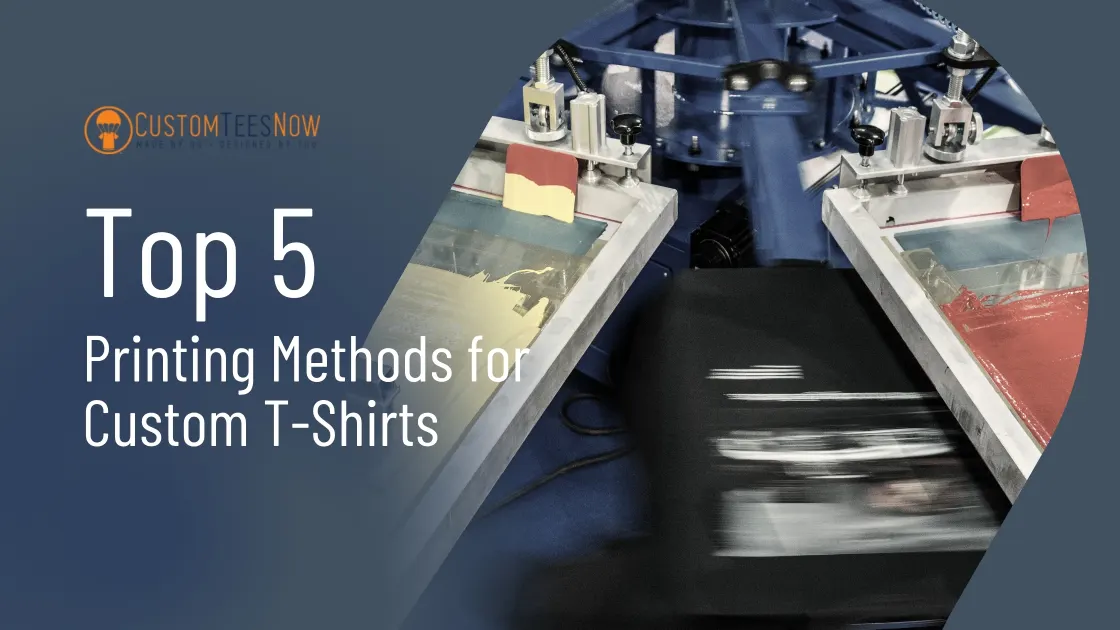
When it comes to t-shirt printing methods, choosing the right technique can make all the difference in how your design comes to life. Each method offers unique benefits and caters to different needs. For instance, screen printing is renowned for its vibrant colors and durability, making it an excellent choice for bulk orders. On the other hand, direct-to-garment (DTG) printing is ideal for intricate designs and smaller runs, as it allows for detailed prints with a soft feel. Other popular methods include heat transfer and sublimation printing, which each bring their own set of advantages depending on the fabric type and design complexity.
To determine which t-shirt printing method is right for your design, it's essential to consider factors such as the fabric of the shirt, the complexity of your graphic, and your budget. For example, if you're aiming for a large quantity of simple designs, screen printing might be your best bet. However, if your design features numerous colors or detailed images, DTG could provide the quality you desire without the need for a massive investment. Ultimately, understanding these methods and their applications will empower you to make an informed choice that enhances your design’s visual appeal and marketability.
If you're a fan of the beloved series, check out the hunter x hunter shop for a wide variety of merchandise. From collectibles to apparel, you'll find everything you need to represent your favorite characters and moments from the show.
The Ultimate Guide to Fabric Selection for T-Shirt Printing Success
When embarking on the journey of t-shirt printing, the first crucial step is selecting the right fabric. The fabric you choose can significantly influence the overall look, feel, and durability of your t-shirts. For high-quality prints, consider options like cotton, polyester, or blends that combine the best of both worlds. Cotton, known for its softness and breathability, is ideal for screen printing and offers a comfortable fit. On the other hand, polyester is perfect for sublimation printing due to its ability to hold colors and resist fading. By understanding the properties of these fabrics, you can tailor your t-shirt designs to suit your target audience's preferences.
To make your fabric selection process more systematic, here’s a quick checklist:
- Consider the printing method: Different fabrics react differently to various printing techniques.
- Evaluate the end-use: What environment will your t-shirt be worn in? This impacts durability and comfort.
- Check for fabric finishes: Treated fabrics may have special features like moisture-wicking or stain resistance.
Ultimately, making an informed decision on fabric can help ensure t-shirt printing success, leading to satisfied customers and a thriving business!
Screen Printing vs. Direct-to-Garment: What You Need to Know Before You Print
Screen Printing and Direct-to-Garment (DTG) are two popular methods for printing designs on garments, each with its own set of advantages and disadvantages. Screen printing is ideal for larger quantities, as it allows for vibrant colors and durable prints. However, it requires more setup time and doesn't easily accommodate intricate designs or small runs. On the other hand, DTG is a newer technology that enables high-resolution printing directly onto fabric, making it perfect for complex designs and custom jobs. That said, it might not be as cost-effective for bulk production due to longer printing times and higher ink costs.
Before you choose between screen printing and DTG, consider the following factors:
- Quantity: How many items do you need? Screen printing is better for large orders, while DTG suits smaller jobs.
- Design Complexity: If your design features intricate details, DTG may be the way to go.
- Budget: Consider your budget as screen printing has a higher setup cost but can be more economical for large orders.
By analyzing these aspects, you can make an informed decision that fits your printing needs.